A Guide to Playing The Fool in Slay the Spire 2
Nov 18, 2026
The newest patch on the Slay the Spire 2 Beta Branch has released a new character, The Fool, and the central strategic story is a build called Wah Cho Ki. The source presents the update as larger than expected and describes The Fool as a little plant-themed presence that is not holding back. The core judgment is that this is not merely another character with a familiar damage-and-block pattern. It is a high-ceiling engine built around three keyword families — Wah, Cho, and Ki — each generating a distinct melody on the bow. That structure creates multiple win conditions, but it also concentrates power in a small number of cards, which is why the source expects nerfs soon. For players, the value of the patch is not just trying The Fool; it is learning when a melody deck should chase burst damage, when it should stretch into defensive scaling, and when Archery or Sadness should be treated as side engines rather than the main plan.
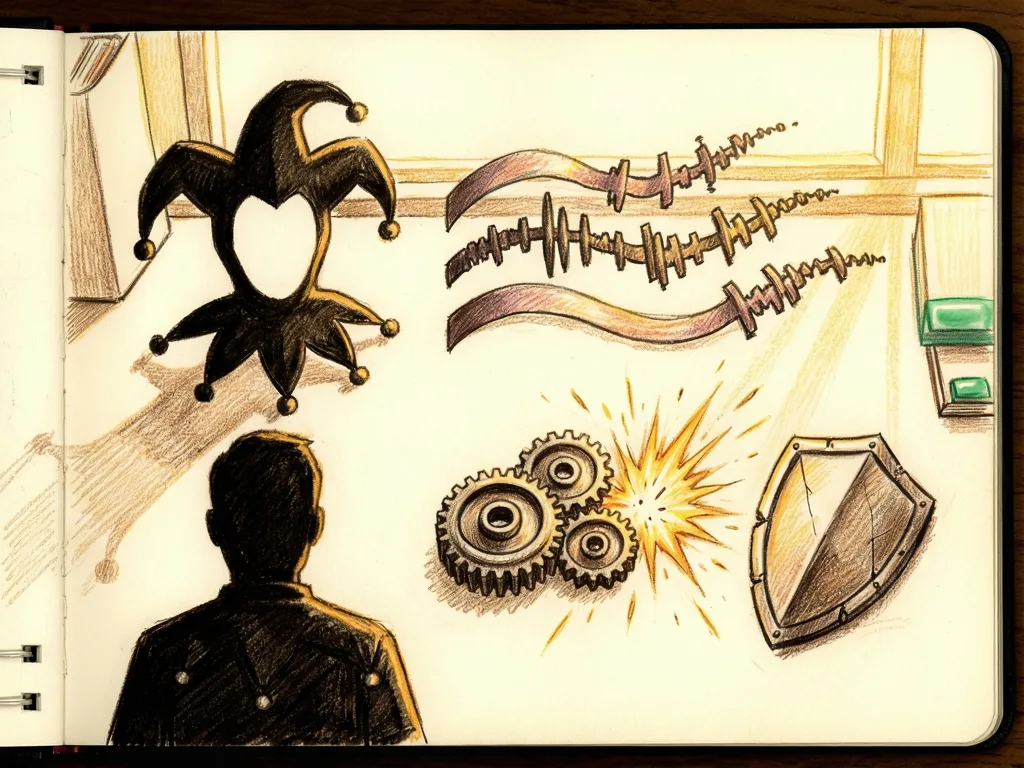
Why the Patch Matters: A Hybrid Character With a New Resource Language
The Fool mixes elements from Defect and the Watcher, according to the source, while adding mechanics the source had not seen before. That hybrid identity explains the deck’s feel. Defect-style thinking is present in the idea of setting up energy or system effects, while Watcher-style thinking appears in the tension between offense, defense, and powerful one-turn payoffs. The new layer is the melody system: Wah cards deal damage to the enemy in some way and generate a Wah melody on your bow for a single turn. Cho cards are more defensive and generate a Cho melody. Ki cards relate to energy generation and give you a Ki melody. Having these melodies often opens interactions with other powerful cards.
This matters because the build is not a simple list of strong attacks. Each keyword contributes a different resource. Wah produces damage pressure. Cho produces block and durability. Ki produces energy. The deck becomes a scheduling problem: players must decide which melody to generate now, which to bank for a later card interaction, and whether a turn should be spent on card draw, energy, defense, or a finisher.
The main Fool package introduced a few new archetypes. The Wah Cho Ki combo is the one under scrutiny here because it is the most explicit example of the new keyword system working as a deck engine. The combo can seem complicated at first, but the source suggests it becomes clearer the more players interact with the cards. The Archery and Sadness packages can also be useful, but the source describes them as smaller engines within the same deck that help either speed through fights or draw more cards to achieve melodic combos. In other words, they are supports, not the foundation.
The Build Logic: Three Keywords, Two Directions, and One Risk
The strength of the Wah Cho Ki deck is that it can be built around the same theme with different variants. A player can lean more heavily into Wah for really strong burst damage, or choose a Cho build that uses high defences and the new Stretch keyword to outlast the opponent and chip them down over time. Of course, the direction will depend on the cards given, so the source says to keep eyes open. This is a classic roguelike constraint: the deck is shaped by drops, relics, and shop choices, not by a fixed list.
There is also a practical inconsistency risk. The source warns that the Archery deck itself often seems too inconsistent to rely on completely. A player can experiment by adding some Archery cards simply to get through smaller enemies, but building around Archery as the main engine is less reliable. That warning applies to the broader build philosophy: side engines are useful when they solve a specific problem, but they should not override the core melody engine unless the run gives enough support.
Key Cards That Define the Wah Cho Ki Engine
The following cards are the core of the build. The source notes that this build has a lot of powerful common and uncommon cards, so it is pretty consistent overall. It also expects nerfs to come soon, implying that players should abuse the build early and often while it is strong.
Common Melody Cards
Cho Firm is a solid defensive card. It casts itself twice as long as you have an arrow spare, which should be most of the time. Its value is low-cost defense that can multiply when the bow state is maintained.
Cho Barbs is another great defensive option. It also deals good damage when your opponent attacks multiple times. This makes it useful against multi-hit enemies, where defense and retaliation can happen in the same card.
Wah Sweep is a great offensive card when facing multiple enemies. It gives the Wah side of the engine a board-clearing option without requiring a rare or uncommon payoff.
Wah Hammer is best used when paired with a strong Archery card, like Foolish Shot or Sky Shot. On its own, it is just okay. This is an important design signal: some cards are not standalone winners, but they become valuable when the deck can support their synergy condition.
Uncommon Powers That Convert Melodies Into Value
Song Path is a cheap power that generates a lot of block for very little investment. Every time you gain a Cho melody, you gain an additional 5 block. This is the defensive conversion point of the build.
Violent Chord is similar to the previous power, but instead converts offense: every time you generate a Wah melody, it deals 9 damage to all enemies. That makes it great against hordes, especially when paired with cheap Wah cards.
Wah Ki does a little bit of everything. It gives 2 keywords on your bow, deals a bit of damage, and sets up the next turn with card draw and energy generation. This card is the bridge between melody generation and turn sustainability.
Wah Cho similarly can trigger both previous powers, while dealing damage and giving some extra defence. This is the hybrid version of the engine: it is less focused than Wah Ki or a pure Cho path, but it can generate more simultaneous value.
Wah Blast deals 14 damage to all enemies. However, if you have a Cho or a Ki melody, it casts twice instead. Because you will almost always have access to a Cho card, the source says you will consistently deal 28 damage across the enemy board. This is one of the clearest examples of melody cards making a simple attack much more powerful.
Rare Payoffs That Scale With the Deck
Wah Cho Ki is described as genuinely insane and likely to get nerfed soon. For 1 energy, you deal 9 damage, get 9 block, draw 1 card, and gain all 3 melodies. Upgraded, the source says this card is even crazier. It is presented as an instant pick, even if you are not playing a melody deck. This card is the keystone because it collapses multiple engine functions into one low-cost play.
Wah Symphony is another ridiculously powerful card that scales with the number of melody cards in your deck. It does damage to all enemies for each Wah Cho Ki card in your deck. This gets more powerful the further you get in the run, making it a late-run payoff rather than an early win condition.
Coda is powerful but a little more situational. The source recommends picking it only toward the second half of the run if you have a good number of melody cards. Combined with Wah Cho Ki, it can become a 0-energy, 40-damage nuke. That interaction is the main burst ceiling of the deck.
The source also tells players to look out for Dusty Tome, which gives Lost Lute. Lost Lute is described as ridiculously strong in the right deck. There are plenty of other melody cards that can be picked situationally depending on what cards you already have; the list is not definitive, so the build should be played by ear. Sometimes, even a bad card can be good under the right circumstances.
Fool Staples Beyond the Melody Engine
The deck does not need to be only Wah Cho Ki cards. The source notes there is plenty of space in your deck for some other synergies, or solid single cards, if they are available. These cards are not necessarily the engine, but they can improve consistency, energy, or defense.
Wrest is an uncommon card that will instantly dislodge an arrow and draw you 2 cards for 0 energy. It is a cheap way to convert bow state into card advantage.
Whistling Arrows is uncommon. If you are firing a lot of arrows, it gives you a nice bit of defence so you can focus on offence. This is another example of Archery supporting the main deck rather than replacing it.
Vitriol is uncommon. It is another 0 energy card that inflicts 2 Weak and gives you a Sadness. It provides a cheap debuff, but the Sadness cost means it works best when the deck has a way to monetize Sadness.
Brighten Up is rare. For only 1 energy, you get 2 energy in return and draw 2. Even better upgraded, according to the source. This is a direct energy and draw solution, useful when the deck needs to cast several melody cards in one turn.
Ecstasy is rare. If you have any Sadness generation in your deck, it immediately turns those downsides into upsides. This makes Sadness cards more acceptable, because the downside can be converted into value.
Sky Shot and Divine Shot are listed as Rare and Ancient. The source says these cards do basically the same thing and are very reliable, cheap, and high-damage. They can serve as strong Archery payoffs without requiring a full Archery engine.
Mythic Form is rare. The source says this may be the most powerful Form card. While it may be expensive, once played, you can pretty much guarantee you win the fight because of the overwhelming power of the Mythic cards. This is a high-risk, high-reward finisher. It fits the same philosophy as the Wah Cho Ki engine: the deck can sometimes spend a turn setting up and then dominate after the payoff.
Relics: Choosing Between Energy, Turn One, and Sadness Conversion
Relics shape the build more than most other systems in a roguelike run. The source recommends unlocking as many Epochs as you can by playing a few times with The Fool. This unlocks the following relics: Exercise Mat, Ocarina, Fertiliser, Whittling Knife, Conductor's Baton, and Twine. These are all pretty decent for The Fool, and in certain cases can help you build your deck around them.
Fertiliser is a good example of a relic that changes deck evaluation. A player might not have many sadness-related cards, but if they get Fertiliser, they can pick more and turn these debuffs into strength. The source emphasizes that this is literal: the relic converts a downside into power.
Energy remains a core concern. The deck has Ki cards to help with energy generation, but playing them can often give you a pretty uneventful turn. Because of that, relics that help with Energy Generation can be great. They let the player avoid spending turns on energy setup when the engine already needs to generate melodies.
Turn one is another opportunity. The source says your turn 1 with The Fool can be extremely powerful. Relics that have an immediate impact, like Lantern and Bag of Marbles, can help you finish off regular fights in a single turn. This is important because a one-turn kill reduces the need to defend through long fights and can make a deck that is otherwise setup-heavy feel more consistent.
In the shop, the source recommends looking out for Bizarre Lamp. It gives you a free Joy at the beginning of each combat, which is described as free energy and card draw. Apart from that, Max HP relics and card draw buffs are always nice to have. The relic priority is therefore clear: if a relic gives immediate energy, card draw, or a reliable first-turn advantage, it is usually worth considering before a purely defensive or situational relic.
Neow and Early Act Choices: Low Stress, High Adaptability
At the start of a run, the player will come face-to-face with Neow. The source says there is a huge number of bonuses to choose from here. However, this pick generally will not influence the course of the entire run; it simply makes the first act a little easier or a bit tougher. Because of that, card removal, extra gold, upgraded cards, or relics are safe choices. The practical advice is not to stress too much about the opening pick. The run’s identity will be shaped more by the first few rewards, relics, and shop encounters than by the Neow choice alone.
Act 2 Ancients: Building the Engine Without Forcing It
Moving toward Act 2, the source highlights several boons that might be worth looking out for.
Orobas: Touch of Orobas and Electric Shrymp are great choices. Also look out for Archaic Tooth, which grants Divine Shot, a super powerful replacement for Foolish Shot. This is useful for players who want a strong Archery payoff without committing fully to Archery as the main deck.
Pael: Pael's Legion is great if you are struggling to block a lot of damage. In addition, Pael's Flesh can help with Energy Generation, or grab Pael's Growth to duplicate a super strong card. This gives players three broad directions: defense, energy, or copying a keystone card.
Tezcatara: The source's go-to relics here are Biiig Hug, Pumpkin Candle, and Storybook. Thinning your deck and getting extra energy is always beneficial. In a melody deck, thinning can increase the chance of drawing the cards that convert Wah, Cho, and Ki melodies into value. Extra energy helps cast those cards faster.
Act 3 Ancients: Payoffs, Potions, and Finishers
By Act 3, the run is more likely to be shaped around known synergies. The source recommends keeping eyes peeled for specific options.
Darv: If you see Dusty Tome, grab it quickly. You will get Lost Lute, which is invaluable for a Melodic deck. Other than that, look for more energy generation. This reinforces the energy theme: late in the run, the deck may have powerful cards but still needs enough energy to play them in a turn.
Nonupeipe: If you have a decent amount of potion slots, Delicate Frond is insane. You also cannot go wrong with Jewellery Box for Apotheosis. If you do not want to think too much, the source says to just grab some Max HP or extra cash to spend in the shop. This is a practical fallback for uncertain builds.
Tanx: Tri Boomerang is insane for The Fool, as you often have a good number of attacks that deal huge damage. However, Whistle and Throwing Axe are also reliably good options. This is a strong fit for Wah-heavy builds, where the goal is to convert attacks into broad damage.
Vakuu: Jewelled Mask is fantastic if you have good Powers, often winning a run outright with Mythic Form or Lost Lute. If you have a good amount of HP, Distinguished Cape can be good for stall. And finally, Sere Talon is great for setting up your melodies. These options map cleanly to the three build directions: power-based win conditions, defensive stall, and melody generation.
Of course, choices often depend heavily on the cards you do or do not have. As with most Roguelikes, the source says to simply evaluate the options available and make the best choice for your current situation.
Uncertainty and Risk: Why This Build May Be Temporary
The main risk is balance. The source repeatedly says the build has powerful cards and expects nerfs to come soon. Wah Cho Ki, Wah Symphony, Coda, and the Dusty Tome / Lost Lute package are described as strong enough to dominate when the deck has the right parts. That kind of power concentration is exactly what beta branch testing is meant to reveal.
A second risk is deck dependency. The deck can scale beautifully if it gets Wah Blast, Violent Chord, Song Path, Wah Cho Ki, and a finisher like Coda or Wah Symphony. But if the run lacks melody cards or energy, the same build can become a series of uneventful setup turns. The source's advice to play it by ear and evaluate options for the current situation is therefore more than flavor text. It is the correct way to handle a beta branch build: commit to the engine only when the drops support it.
What the Patch Means for Players
The practical takeaway is that The Fool gives players a new decision structure. The run is not just about picking the best attack or best block. It is about deciding whether to produce Wah for damage, Cho for defense, or Ki for energy, then using the resulting melodies to trigger cards like Song Path, Violent Chord, Wah Blast, Wah Cho Ki, and Coda. Archery and Sadness can strengthen the deck, but they should usually remain secondary engines unless the relics and Ancients support them.
For players testing the Slay the Spire 2 Beta Branch, the patch is a chance to see how a keyword-based deck behaves before it is adjusted. The source says players should have no problem smashing through the Ascension levels with The Fool, and it advises getting to it quickly before this powerhouse gets nerfed into the ground. The source also labels the content Slay the Spire II. The narrower, more useful takeaway is: learn the engine now, track which cards create real synergy, and be ready to shift away from Wah-heavy burst or Cho-heavy stall if the patch changes the cards that make them work.
Recommend Apps


