Here are the ten best tips for succeeding in Phantom Blade Zero.
Nov 21, 2026
The central judgment about Phantom Blade Zero is simple: it should not be treated as a generic soulslike exercise in wandering, dodge rolling, and build-making. Its design asks for thorough investigation, patience, and keen reflexes. That distinction matters because players who bring old Fromsoft habits to the game may find themselves frustrated very quickly.
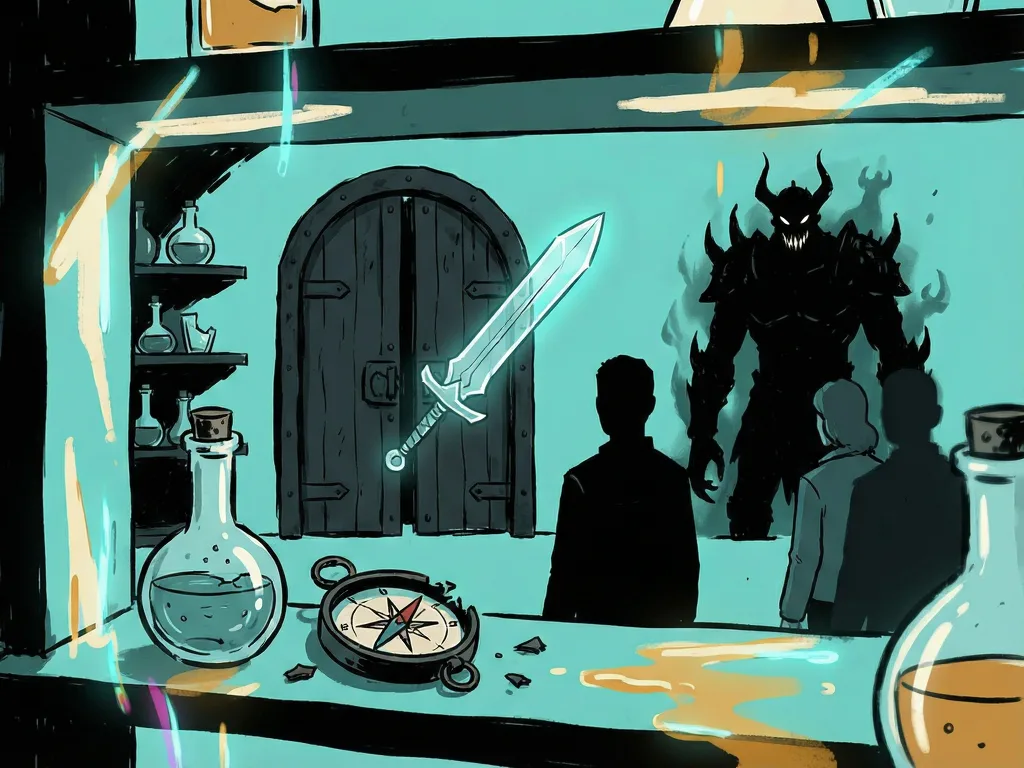
The broader context is that exploration, single combat, and tough bosses no longer define a single formula. Games like Lies of P, Black Myth: Wukong, Stellar Blade, and now Phantom Blade Zero all demand different things from players. The label “soulslike” may describe surface structure, but it fails to capture how each game expects players to solve its fights. Phantom Blade Zero is especially strict about this: success depends less on carrying over Elden Ring’s build-making, dodge rolling, and wandering than on learning the specific rhythms of its combat, progression, and chapter-based structure.
The Soulslike Label Hides a More Specific Design
The temptation to classify any game with exploration and brutal single combat as a soulslike is real, but it increasingly misleads players. Phantom Blade Zero uses a familiar framework, yet its expectations are narrower and more exacting. The game rewards players who observe carefully, who delay movement until a chapter has been fully processed, and who respond to attacks rather than relying on reflexive parries or tanky habits.
This is not a game that asks the player to wander endlessly and improvise from old instincts. It asks for precision. The difference is meaningful because the cost of misunderstanding it is immediate: quests can be severed, upgrades can be missed, and fights can become unnecessarily painful when the player applies the wrong habits.
Chapter Discipline Replaces Open Exploration
Phantom Blade Zero bears a slight similarity to Elden Ring in one dangerous respect: it is easy to inadvertently sever quest lines without realizing it. The difference is that prevention is much easier here. The player does not need to rely on external guides or obsessive note-taking. The game provides a clear internal rule: do everything in a given chapter before advancing to the next.
Story missions are marked with gold icons on the map, while red marks indicate blocked areas. The safest path is to make sure those gold icons and red marks are the only remaining markers before tackling the final gold icon in a chapter. This discipline matters because Soul’s progression depends on it. Skipping content can leave Soul without useful upgrades or equipment, turning later encounters into avoidable struggles.
This design choice reveals something important about Phantom Blade Zero. It is not built around the same loose, open-ended structure as Elden Ring. It asks the player to respect its chapter boundaries and treat each area as a complete unit of challenge and reward.
Weapon Progression Forces Selective Focus
Phantom Blade Zero creates a common trap for players who want to keep every option alive. Nearly every boss grants Soul a new weapon or accessory, so the inventory expands constantly. The natural instinct is to upgrade everything evenly, but the game does not support that instinct. There is simply not enough upgrade material or currency, especially in the first couple of chapters.
The smarter approach is to invest in only a couple of weapons at a time. Up to level ten, reverting weapons is free, so there is no downside to experimenting. The player can choose two weapons, upgrade them as much as possible, and then revert and redirect resources if a new weapon proves more compelling.
That changes in chapter three, when the player can start going past level ten. By then, the game expects the player to have developed a clearer sense of which weapons will become mainstays. This is not just a numerical detail. It shows how Phantom Blade Zero balances its large arsenal. It gives players many tools, but it forces them to specialize rather than spread themselves too thin.
The result is a progression system that punishes indecision. Players who upgrade everything evenly may end up with several usable but underdeveloped weapons. Players who focus early gain more reliable power without wasting scarce resources.
Shields Are a Threat, Not a Comfort
After the Dark Souls trilogy, where a good shield was practically a must, players may underestimate how effective shields can still be in defense. A high-defense shield build was enough to easily stop pre-nerf Promised Consort Radahn in his tracks. Phantom Blade Zero keeps shields dangerous in that same way, but it turns them into obstacles rather than safe havens.
Be it a boss or a common enemy, if an opponent has a shield, breaking that shield is priority number one. The Dread Axe phantom edge is presented as a direct answer to the problem, and the Shieldbreaker Talisman accessory is another option if the situation demands it. The message is blunt: shields get in the way, so they have to go.
This is a major departure from the defensive comfort many players associate with soulslike combat. Phantom Blade Zero does not encourage hiding behind a shield indefinitely. It forces the player to dismantle defensive tools before they can control the fight. The shield is not a personal ally; it is an enemy mechanic to be broken.
Parrying Is a Skill, Not a Default Habit
Parrying is one of the main mechanics in Phantom Blade Zero, but the game punishes players who turn it into a mindless reflex. If Soul relies on parrying every incoming attack, bosses will absolutely punish that habit. Red flash attacks are especially dangerous to parry; attempting to parry them is basically giving away half of Soul’s health bar. Black Flash attacks are worse in a different way: parrying them consumes practically the entire Sha-Chi meter.
The correct approach is not to reject parrying, but to stop treating it as the default response. The player needs to flow between dodging, parrying, blocking, and even launching preemptive Power Surges. The difference is between reacting intelligently and mashing the parry button with false confidence.
This mechanic shows how Phantom Blade Zero builds pressure. It does not simply ask the player to survive long enough to find an opening. It asks the player to understand which defensive tool is appropriate for which attack. The parry is powerful, but it is not universal. Misusing it can turn a defensive option into a losing move.
Sha-Chi Management Is the Real Battle
Putting Soul’s Sha-Chi meter to effective use is usually what wins most boss encounters, but the meter is difficult to manage because it serves both offense and defense. Blocking and normal dodges consume Sha-Chi. Parrying consumes less, but it still consumes. Power Surges consume Sha-Chi as well. Parrying an incoming Black Flash attack is the worst case because it consumes practically the entire meter.
Weapon swapping becomes a crucial way to mitigate that pressure. Swapping between equipped weapons gives Soul a completely fresh Sha-Chi meter to work with. That makes swapping not just a cosmetic change, but a resource recovery tool. The player can use it to recover from a defensive mistake or to reset the meter before a dangerous sequence.
Timing matters. Swapping during an enemy combo will get Soul killed. During a brief lull, however, it can rally the player and restore control. It is also a convenient way to recover from accidentally parrying a monochrome attack, provided the player dodges the rest of the incoming attacks first.
This system explains why Phantom Blade Zero feels different from a simpler action game. The meter is not just a damage gauge. It is a central constraint on movement, defense, and offense. Players who ignore Sha-Chi will find themselves unable to dodge, block, parry, or surge when it matters most.
Health and Damage Reduction Are the Wrong Priorities
Phantom Blade Zero has many accessories, including several that grant Soul a good chunk of extra health or a big boost to defense. The problem with using an accessory slot on those options is that tanking hits is not the intended answer. Avoiding or exploiting an enemy attack is always preferable to eating one. The better strategy is to improve avoidance rather than create more room for failure.
The game’s design rewards players who treat health as a resource to be preserved through skill, not through passive stat padding. There is at least one accessory described as practically a perma-equip, while other slots are best used for accessories that help Soul end fights faster rather than endure them for longer.
Two early-game examples illustrate the preferred direction. Counterstrike Bracers grant extra damage, while Hunter’s Insight grants bonus Sha-Chi drain on enemies. Both push the fight toward a faster, more active resolution. They support the game’s broader message: control the enemy’s resources and rhythm instead of waiting to survive.
The Reflex Device Is a Structural Advantage
Players who need a leg up in Phantom Blade Zero should make seeking out the Reflex Device in Weeping Creek Valley their first priority. Its value is easy to underestimate. A fifteen percent increase to parry and dodge windows might not sound dramatic, but in a lightning-fast game, it is pretty much another whole split-second to catch enemy attacks. That small margin can be decisive.
A little further on in the game, the bonus can be increased to twenty-five percent. By that point, the player may already be used to parry and dodge timing, but the additional split-second cushion can turn defense into a veritable wall. The Reflex Device is not just another upgrade. It is a mechanic amplifier, making the game’s most important defensive options more forgiving without removing their demand for timing.
This item reveals how Phantom Blade Zero balances accessibility and rigor. It does not hand the player invulnerability. It gives a slightly wider window, then expects the player to use that window with intention.
Power Surges Should Control Fights, Not Wait for Perfect Damage
Power Surges differ from weapon to weapon, but the result is usually massive damage to whatever is on the receiving end. That may make them feel like finishers to be saved for damage phases, when the enemy is guard-broken. The game advises against that instinct. A Power Surge may do more than a normal combo, but not that much more.
Its real value is its unstoppable quality. The player can use it to extend a damage phase past the boss’s recovery point, or better yet, interrupt attacks such as Black Flash attacks, the ones that make the screen go monochrome. That transforms the Power Surge from a damage spike into a control tool. It can break enemy momentum, create openings, and generate extra damage.
The strategy also frees up opportunities during damage phases to recharge the weapon’s Power Surge with Sha-Chi attacks. Phantom Edges can be used this way too. So long as the first hit connects, most enemies and even bosses cannot do anything until the combo finishes.
This is one of the most important shifts in thinking the game demands. Players may want to save big tools for the biggest moment, but Phantom Blade Zero rewards using big tools to create the biggest moment. Control becomes more valuable than pure burst damage.
Bosses Punish Sequence Memorization
Memorizing boss attack patterns has been video gaming basics for almost as long as video games have existed. If the player knows what is coming, they can react more quickly. Phantom Blade Zero accepts that premise but complicates it. Many enemies, especially bosses, like to vary their patterns. Doing this and only this is not advisable.
Some bosses are less extreme, but they still attempt to throw the player off by chaining different moves together depending on the situation. It is easy to get lost trying to follow them. The better approach is to focus on dealing with individual attacks rather than trying to read full sequences.
The Gold Masked One is the clearest warning. He is especially erratic and practically exploits player pattern recognition by changing up his combos. When fighting him, the player should react to specific attacks only and nothing else.
This design choice makes Phantom Blade Zero feel less like a puzzle to be solved once and more like a combat test that must be passed repeatedly. The player cannot simply memorize a route and execute it. They must remain attentive to each attack as it occurs.
Let the Enemy Move First, Then Impose Structure
Given how fast combat in Phantom Blade Zero is, one might think aggressive strategies are the way to go. The game does allow aggression, but the better default is to let the enemy make the first move. That does not mean passively following their lead. Simply reacting without a plan will make any fight harder than it needs to be.
The correct method is to react with purpose. The player should have the follow-up already in mind. If it is enough to just parry, then do that and do not give chase. If there is a prime opportunity for extra damage after receiving the attack, then go for it, but do not be greedy.
This approach mirrors the tone of Soul himself: fight in a cool and measured way, almost detachedly like the master Soul is, and enjoy the resulting victories. The game’s speed is deceptive. It does not reward frantic offense. It rewards controlled response, patience, and the confidence to wait for the right opening.
The Narrative and Presentation Reinforce the Design
The story framing of Phantom Blade Zero supports its demand for careful attention. Soul is framed for the death of his master and left with a ruined heart. He has sixty-six days to live. Alone and hunted by his former comrades, he moves through a world of shifting loyalties and silent blades, determined to unravel the conspiracy that has condemned him.
That premise is not just atmospheric. It fits a game built on investigation, consequence, and precision. Rain mixes with blood, mercy entangles with vengeance, and Soul’s journey is one of love, hate, and the fragile search for what it means to have a heart. The world itself is not stable. It blends traditional Wuxia, fantasy, and folk horror, with shifting realities, echoes of memories long since passed, augmentation, and beings of higher power. A rumor, a story, a whisper becomes a trail to unraveling a larger mystery. The player must navigate through a web of intrigue and lies to uncover the truth.
The arsenal reinforces the same idea. Over thirty weapons are available, with more than twenty unique Phantom Edges to mix and match to suit the player’s style. Defeating powerful foes lets Soul obtain their weapons and, with them, their signature techniques. The game’s presentation is also grounded in this style: it is built in Unreal Engine 5 and uses state-of-the-art motion capture to bring together legendary fight choreography from Hong Kong’s Golden Age of martial arts cinema. Every strike and stance draws from authentic martial arts techniques, captured with the precision of film and reborn through modern game design.
This is the game’s “Kungfupunk” identity: inspired by the Golden Age of Hong Kong action films, the world blends fierce martial arts with machinery, amplifying an exhilarating clash of steel on steel. Ancient codes meet iron and smoke; tradition thrums to a modern beat. A new style is forged in this melding of mediums. Chinese kungfu is reimagined for a new generation, but Phantom Blade Zero does not simply present that identity as spectacle. It embeds it in mechanics: precise timing, weapon variety, controlled aggression, and a combat language that expects the player to learn rather than brute-force.
Risks for Players Who Misread the Game
The main risk in Phantom Blade Zero is not difficulty alone. It is misapplied expectation. Players who bring Elden Ring habits directly into the game may wander past important content, spread upgrade resources too thin, rely on shields defensively, parry attacks they should dodge, or waste Sha-Chi on bad parries. These mistakes are not caused by poor design. They are caused by treating Phantom Blade Zero as a generic soulslike when its systems demand a different response.
Another risk is underestimating the economy of progression. Because bosses frequently grant new weapons or accessories, the player may feel compelled to keep everything usable. The game’s limited upgrade materials and currency make that a trap. Chapter three and the level ten threshold create a turning point, but the cost of poor investment is felt earlier.
The combat systems also create layered risks. Parrying is central, but it is not safe in all contexts. Power Surges are powerful, but saving them for the wrong moment wastes their interrupt value. Accessories that increase health or defense may feel comforting, but they can delay the player from learning avoidance. Bosses vary patterns, so sequence memorization can become a liability rather than an advantage.
Phantom Blade Zero’s fast and perhaps overly-forgiving structure keeps frustration to a minimum already, but that forgiving structure does not remove the need for discipline. The most important ingredient for success in any game featuring tough combat challenges is to keep calm and keep trying rather than letting yourself get rage-baited into dropping the game altogether. In this game, calmness is not just emotional advice. It is mechanical strategy.
What Phantom Blade Zero Asks of the Player
Phantom Blade Zero is not asking the player to survive by accumulating power in the broadest possible way. It asks the player to specialize, observe, and respond. It asks the player to finish chapters before moving on, choose weapons carefully, break shields relentlessly, manage Sha-Chi intelligently, and use Power Surges as control tools rather than mere damage finishers.
The game’s identity is built on this coherence. Its Wuxia fantasy world, its Kungfupunk style, its Hong Kong action cinema influences, its Unreal Engine 5 motion capture, and its arsenal of over thirty weapons and more than twenty unique Phantom Edges all point toward a combat experience that is stylish but exacting. Soul’s journey through the Wulin is not meant to be solved by wandering aimlessly or by imposing old habits on a new structure. It is meant to be solved by patience, investigation, and the willingness to let the enemy make the first move.
Related Apps
 Microsoft Edge v125.0.2535.51May 23, 2024 / 143.43M
 Replika: My AI Friend Apk v11.23.2Apr 24, 2024 / 946.1Mb
 Chapters: Interactive Stories Unlock the full version v6.5.9Jul 16, 2024 / 108.48Mb
 Toffee for Android TV Apk v2.8.4Jul 15, 2024 / 21.62M
 Italki: learn any language Apk v3.131.1-google_playJun 20, 2024 / 82.21M
 TVB Stuttgart APK v0.5.0Jul 22, 2024 / 112.81Mb
Recommend Apps


